


Natural Ways to Reduce Anxiety: Effective Remedies for Stress Relief
Stress and anxiety are common experiences that affect many people at various points in life. While occasional stress can be a natural response to challenges, persistent anxiety may disrupt your daily functioning and overall well-being. Understanding how to manage these feelings through natural methods can support your body’s ability to maintain balance and recover from tension over time. This article explores practical, evidence-informed approaches to help you reduce anxiety and stress in a sustainable way.
Natural Ways to Reduce Anxiety: Foundational Practices
When seeking natural ways to reduce anxiety, it is important to focus on consistent habits that support your nervous system and overall health. These practices do not promise immediate relief but rather encourage gradual improvement in your body’s resilience and capacity to handle stress.
Regular Physical Activity: Engaging in moderate exercise such as walking, swimming, or yoga can help regulate stress hormones like cortisol. Exercise promotes the release of endorphins, which are natural mood enhancers. Aim for at least 30 minutes most days of the week to support mental and physical health.
Balanced Nutrition: Your diet plays a crucial role in how your body manages stress. Consuming a variety of whole foods rich in vitamins, minerals, and antioxidants supports brain function and hormonal balance. Foods high in magnesium (e.g., leafy greens, nuts) and omega-3 fatty acids (e.g., fatty fish, flaxseeds) are particularly beneficial.
Adequate Sleep: Sleep is essential for recovery and emotional regulation. Establish a consistent sleep schedule and create a calming bedtime routine to improve sleep quality. Avoid stimulants like caffeine late in the day and limit screen time before bed.
Mindful Breathing: Simple breathing exercises can activate the parasympathetic nervous system, which promotes relaxation. Techniques such as diaphragmatic breathing or the 4-7-8 method can be practiced anywhere to reduce acute feelings of anxiety.
Incorporating these foundational habits into your daily routine can create a supportive environment for your body to manage stress more effectively.
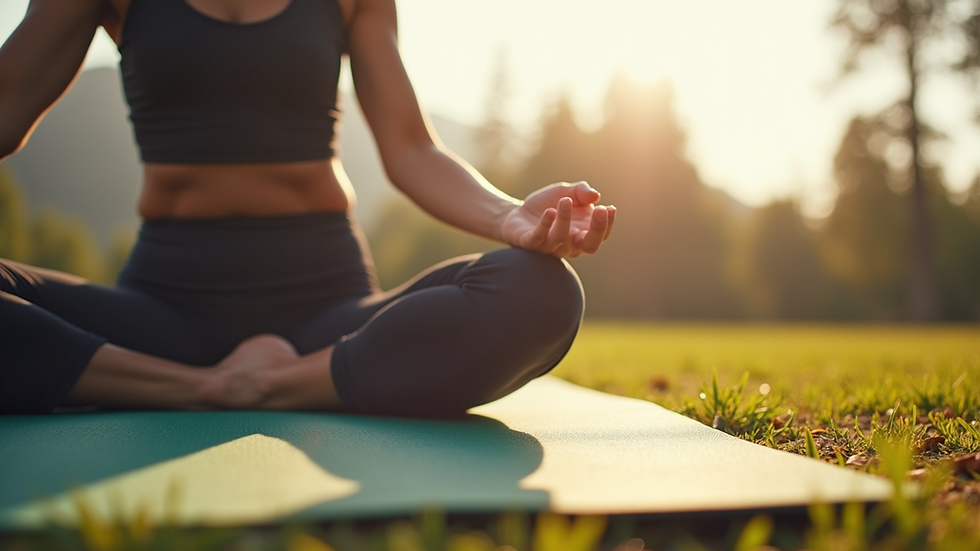
What Calms the Nervous System?
The nervous system plays a central role in how you experience and respond to stress. When faced with a perceived threat, your sympathetic nervous system triggers the "fight or flight" response, increasing heart rate and releasing stress hormones. To counterbalance this, calming the nervous system involves activating the parasympathetic branch, which promotes rest and digestion.
Several natural approaches can help achieve this balance:
Progressive Muscle Relaxation: This technique involves tensing and then slowly releasing different muscle groups. It helps increase awareness of physical tension and encourages relaxation.
Herbal Supplements: Certain herbs have been studied for their calming effects on the nervous system. For example, chamomile and valerian root are known for their mild sedative properties. However, it is important to consult a healthcare professional before starting any herbal regimen.
Aromatherapy: Inhalation of essential oils such as lavender or bergamot may have a soothing effect on the nervous system. While research is ongoing, many find these scents helpful as part of a relaxation routine.
Nature Exposure: Spending time in natural environments has been shown to reduce stress markers and improve mood. Even brief periods outdoors can help lower blood pressure and heart rate.
By regularly engaging in these calming practices, you support your nervous system’s ability to return to a state of equilibrium after stress.

The Role of Mindfulness and Meditation
Mindfulness and meditation are widely recognized for their benefits in managing anxiety. These practices encourage you to observe your thoughts and feelings without judgment, fostering a sense of presence and acceptance.
Mindfulness Meditation: This involves focusing attention on the breath, bodily sensations, or a specific object. Over time, mindfulness can reduce rumination and improve emotional regulation.
Guided Imagery: Visualization techniques can help shift your focus away from stressors and create a mental space of calm. Imagining peaceful scenes or positive outcomes can reduce anxiety symptoms.
Body Scan Meditation: This practice involves mentally scanning the body for areas of tension and consciously relaxing them. It enhances body awareness and promotes relaxation.
Regular meditation practice, even for just 10 minutes a day, can contribute to long-term reductions in anxiety and improved stress management.
Lifestyle Adjustments to Support Emotional Balance
Beyond specific techniques, certain lifestyle adjustments can enhance your overall capacity to cope with stress:
Limit Stimulants and Alcohol: Excessive caffeine and alcohol intake can exacerbate anxiety symptoms. Moderation is key to maintaining a stable mood.
Social Connection: Maintaining supportive relationships provides emotional resources that buffer against stress. Engaging in meaningful conversations and activities with others can improve your sense of belonging and reduce feelings of isolation.
Time Management: Organizing your schedule to include breaks and realistic goals can prevent overwhelm. Prioritizing tasks and setting boundaries helps reduce chronic stress.
Hobbies and Creative Outlets: Engaging in activities you enjoy can provide distraction and satisfaction, contributing to emotional well-being.
These adjustments create a lifestyle that nurtures your mental health and supports your body’s natural stress response mechanisms.
Integrating Natural Remedies for Stress and Anxiety into Your Routine
When exploring natural remedies for stress and anxiety, it is important to approach them as part of a comprehensive strategy rather than isolated solutions. Consistency and patience are essential, as the body requires time to adapt and restore balance.
Start by identifying which practices resonate with you and fit your lifestyle.
Gradually incorporate these habits, allowing yourself to adjust without pressure.
Monitor your responses and adjust as needed, seeking professional guidance if symptoms persist or worsen.
By committing to these natural approaches, you empower your body’s inherent ability to regulate stress and maintain emotional equilibrium.
Supporting Your Well-Being Over Time
Managing stress and anxiety is an ongoing process that benefits from a holistic perspective. The body’s systems are interconnected, and supporting one area often positively influences others. For example, improving sleep quality can enhance mood and cognitive function, while regular exercise supports cardiovascular health and stress resilience.
It is also valuable to recognize that occasional stress is a normal part of life and can even be motivating. The goal is not to eliminate stress entirely but to develop effective tools to manage it and prevent chronic imbalance.
Incorporating natural remedies and lifestyle adjustments fosters a foundation for long-term well-being. This approach aligns with the understanding that health is a dynamic state requiring ongoing care and attention.
By adopting these natural ways to reduce anxiety, you take meaningful steps toward a more balanced and vibrant life. The journey involves steady commitment and self-awareness, but the benefits extend beyond symptom relief to support your overall health and resilience.


Comments