


Unlock Natural Stress Relief with Ashwagandha
In today’s fast-paced world, stress has become a common experience that affects many aspects of your health. Finding effective, natural ways to manage stress is essential for maintaining balance and supporting long-term wellness. One botanical that has gained attention for its potential to support the body’s response to stress is ashwagandha. This ancient herb, used in traditional medicine for centuries, offers a measured approach to stress relief by helping the body maintain equilibrium rather than providing immediate, short-lived effects.
Understanding Natural Stress Relief with Ashwagandha
Ashwagandha, scientifically known as Withania somnifera, is an adaptogenic herb. Adaptogens are natural substances that help the body adapt to stress by modulating physiological processes. When you experience stress, your body activates the hypothalamic-pituitary-adrenal (HPA) axis, which leads to the release of cortisol, the primary stress hormone. Prolonged elevation of cortisol can disrupt various bodily functions, including sleep, immune response, and mood regulation.
Ashwagandha works by supporting the regulation of cortisol levels, promoting a more balanced stress response. This does not mean it eliminates stress instantly but rather helps your body recover and maintain stability over time. Regular use of ashwagandha may contribute to improved resilience against daily stressors, supporting mental clarity and emotional calmness.
How Ashwagandha Supports Your Body
Regulates cortisol production: Helps prevent excessive cortisol release during stressful situations.
Supports nervous system balance: Encourages a calm state without sedation.
Enhances energy and stamina: Supports physical endurance and reduces fatigue.
Promotes restful sleep: Helps improve sleep quality, which is often disrupted by stress.
By integrating ashwagandha into your routine, you support your body’s natural ability to manage stress, which is crucial for long-term health.

The Science Behind Ashwagandha’s Stress-Relief Properties
Scientific studies have explored the effects of ashwagandha on stress and anxiety. Clinical trials indicate that ashwagandha supplementation can reduce cortisol levels and improve symptoms related to stress and anxiety. For example, a randomized controlled trial showed that participants taking ashwagandha extract experienced significant reductions in stress scores compared to a placebo group.
The herb’s active compounds, including withanolides, are believed to contribute to its adaptogenic effects. These compounds interact with the nervous system and endocrine pathways to promote homeostasis. Unlike pharmaceutical interventions that may target symptoms directly, ashwagandha supports the underlying physiological balance, which is essential for sustainable stress management.
Practical Recommendations for Use
Dosage: Typical doses range from 300 to 600 mg of standardized extract daily.
Consistency: Benefits are more noticeable with regular use over several weeks.
Form: Available as capsules, powders, and tinctures; choose a form that fits your lifestyle.
Consultation: Always discuss with a healthcare provider before starting any new supplement, especially if you have existing health conditions or are taking medications.
Incorporating ashwagandha into a broader wellness plan that includes balanced nutrition, regular physical activity, and adequate sleep will enhance its effectiveness.
What’s Better for Anxiety, Magnesium or Ashwagandha?
When considering natural options for anxiety relief, magnesium and ashwagandha are often compared due to their calming properties. Magnesium is a mineral essential for nerve function and muscle relaxation. It plays a role in regulating neurotransmitters that influence mood and anxiety levels. Magnesium deficiency can exacerbate feelings of anxiety and stress.
Ashwagandha, on the other hand, acts as an adaptogen, supporting the body’s overall stress response rather than targeting a single pathway. While magnesium primarily supports nervous system function and muscle relaxation, ashwagandha influences hormonal balance and neurochemical regulation.
Comparing Effects
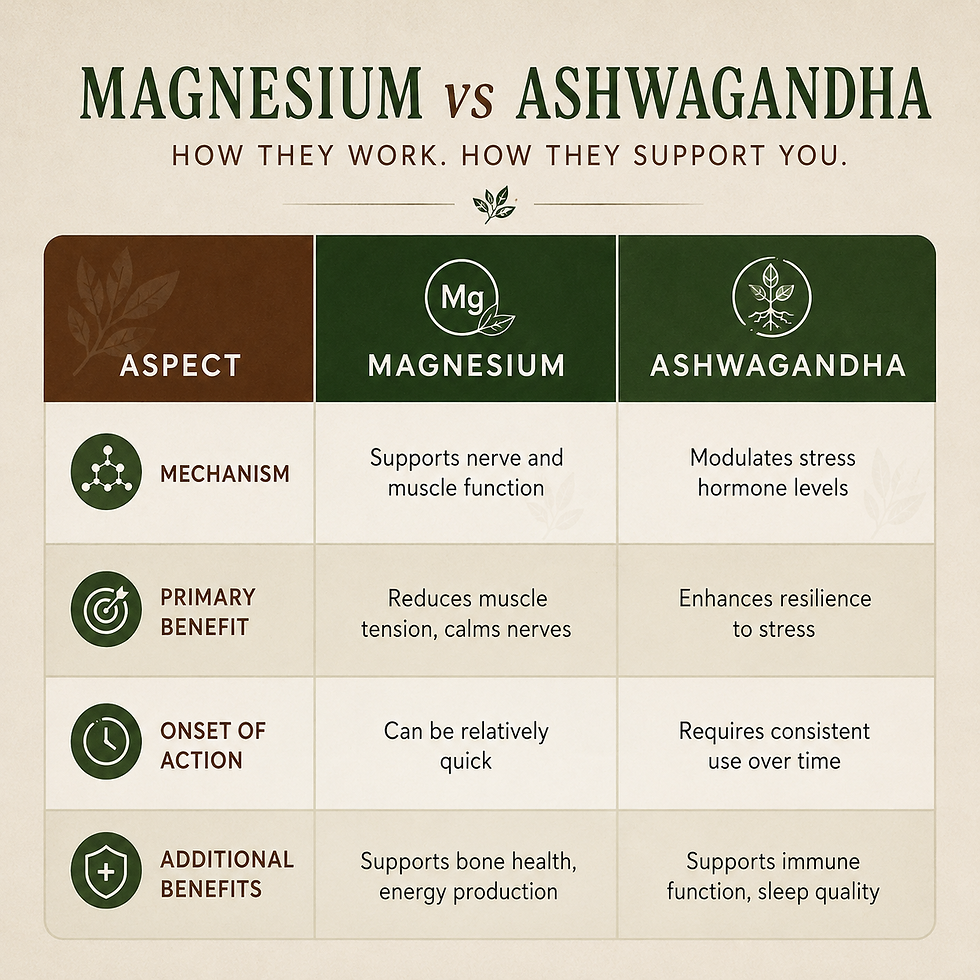
For many individuals, combining magnesium with ashwagandha may provide complementary benefits. Magnesium can help with immediate nervous system support, while ashwagandha contributes to long-term stress regulation. It is important to tailor your approach based on your specific needs and consult with a healthcare professional.

Integrating Ashwagandha into Your Daily Routine
To experience the benefits of ashwagandha for stress relief, it is important to approach its use with patience and consistency. Here are some practical steps to help you integrate this herb into your lifestyle:
Start with a low dose: Begin with the lower end of the recommended dosage to assess your body’s response.
Choose a quality product: Look for standardized extracts with clear labeling of withanolide content.
Take it with meals: This can improve absorption and reduce the chance of digestive discomfort.
Maintain a regular schedule: Consistency is key to supporting your body’s stress response.
Monitor your progress: Keep a journal of your stress levels, sleep quality, and overall mood to track changes.
Remember that ashwagandha is one component of a holistic approach to wellness. Complement its use with stress management techniques such as mindfulness, physical activity, and adequate rest.
Supporting Long-Term Wellness with Ashwagandha
Stress is a natural part of life, but chronic stress can undermine your health and well-being. By supporting your body’s ability to manage stress through natural means, you promote resilience and balance. Ashwagandha offers a thoughtful, evidence-based option to help maintain this balance over time.
If you are seeking a natural approach to support your body’s stress response, consider exploring ashwagandha for stress relief. This herb’s adaptogenic properties can be a valuable addition to your wellness routine, helping you maintain calm and clarity in the face of daily challenges.
By focusing on prevention and consistent support rather than quick fixes, you empower your body to function optimally. This approach aligns with a sustainable path to health, where natural solutions like ashwagandha play a meaningful role in your overall well-being.



Comments